

The Algorithm of Faith: A story of belief in the age of code by Amit Mohta
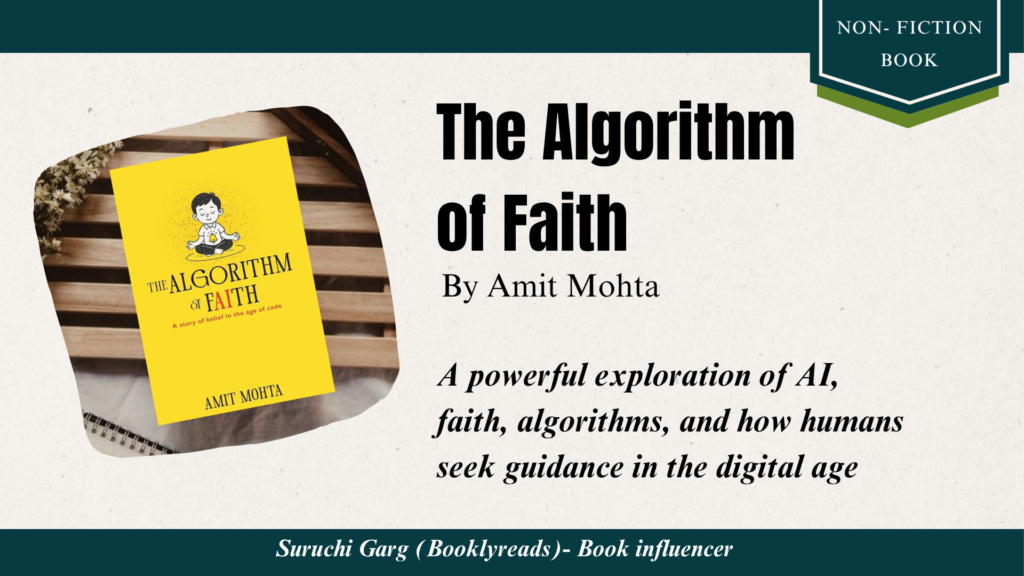
The Algorithm of Faith Book Review: When Technology Becomes Our New Guide
For centuries, humans have searched for answers about their future. In the past, people consulted astrologers, priests, spiritual guides, and family elders when life felt uncertain.
Today, many of us do something surprisingly similar- we open Google, scroll through social media, or ask artificial intelligence for advice.
This fascinating shift forms the central idea of The Algorithm of Faith: A Story of Belief in the Age of Code by Amit Mohta. The book explores how our relationship with guidance, belief, and certainty has evolved in the digital age.
Through a mix of personal storytelling, cultural reflection, and technology critique, the author raises an important question:
Have we truly changed how we search for wisdom, or have we simply replaced ancient belief systems with modern algorithms?
This thought-provoking book offers a unique perspective on how faith, technology, and human behaviour intersect in today’s world.
What Is The Algorithm of Faith About?
At its core, The Algorithm of Faith explores how humans constantly search for meaning, guidance, and reassurance.
The book blends three powerful perspectives:
- Cultural memoir about growing up in a tradition-driven environment
- Technology critique examining how algorithms shape modern life
- Philosophical reflection on belief and self-awareness
Mohta compares two seemingly different worlds:
1. Traditional Systems of Guidance-
In earlier generations, people relied on:
- Astrology charts
- Temple rituals
- Spiritual leaders
- Advice from family elders
These systems offered emotional comfort and helped people make decisions about life events such as marriage, career, and business.
2. Modern Systems of Guidance
Today, many people turn to:
- Google searches
- Social media recommendations
- AI chatbots
- Data-driven algorithms
Although these tools appear more scientific and advanced, the book argues that the underlying human behaviour remains the same.
We still seek reassurance, validation, and predictions about our future.
The Central Idea: Humans Have Always Outsourced Uncertainty
One of the most powerful insights from the book is that humans have always struggled with uncertainty.
When life feels unpredictable, people look for systems that promise clarity.
Historically, astrology and religion filled that role. Today, technology often does.
Algorithms predict:
- what we should watch
- what we should buy
- who we should date
- what we should believe
While these recommendations may feel convenient, the book asks an important question:
Are we becoming too dependent on external systems to guide our choices?
This idea makes The Algorithm of Faith particularly relevant in the era of artificial intelligence.
How Algorithms Influence Our Daily Lives
Modern technology plays a larger role in our lives than most people realise.
Every time we interact with a digital platform, algorithms analyze our behaviour and make predictions.
For example:
- Social media algorithms decide what content appears in our feed
- Streaming platforms recommend movies based on our preferences
- AI assistants answer personal questions and provide advice
- Search engines shape the information we consume
Over time, these systems subtly influence how we think, what we believe, and even how we make decisions.
The book argues that algorithms are becoming a new form of invisible authority in modern life.
Faith in the Age of Artificial Intelligence
Rather than framing technology as a threat, The Algorithm of Faith encourages readers to think more deeply about how faith and technology coexist.
The author does not suggest abandoning tradition or rejecting technological progress.
Instead, he proposes a balanced perspective.
Faith and technology both attempt to help humans navigate life’s uncertainties. The key difference lies in awareness.
When we blindly follow either tradition or technology, we risk losing our ability to think independently.
But when we approach both systems with curiosity and critical thinking, they can become valuable tools rather than controlling forces.
Why The Algorithm of Faith Feels So Relatable
One of the most compelling aspects of the book is how relatable it feels.
Many readers will recognise parts of their own lives in the author’s experiences.
Perhaps you grew up in a family where elders consulted astrologers before making major decisions. Or maybe you now find yourself searching online late at night for answers about life.
This contrast between tradition and technology reflects the reality of modern life, especially in societies where cultural heritage and digital innovation coexist.
Because of this, The Algorithm of Faith feels less like a theoretical discussion and more like a mirror reflecting our everyday behaviour.
Who Should Read The Algorithm of Faith?
This book is ideal for readers interested in topics such as:
- artificial intelligence and society
- technology and human behaviour
- philosophy and modern life
- spirituality in the digital age
- self-awareness and personal growth
It is particularly valuable for people who feel overwhelmed by constant digital influence and want to better understand how technology shapes their thinking.
Final Thoughts:
In a world increasingly driven by data and algorithms, The Algorithm of Faith offers a refreshing perspective.
Rather than presenting technology as either a miracle or a menace, the book invites readers to reflect on their own relationship with belief, guidance, and decision-making.
The central message is simple yet profound:
Humans have always searched for meaning outside themselves. But the most important guidance may still come from within.
By exploring the intersection of faith, culture, and artificial intelligence, Amit Mohta has written a book that feels deeply relevant to the challenges of modern life.
For readers navigating the complexities of the digital age, The Algorithm of Faith provides not just insight but perspective.
Frequently Asked Questions (FAQ)
What is The Algorithm of Faith about?
The book explores how humans seek guidance and certainty, comparing traditional belief systems like astrology with modern technologies such as artificial intelligence and algorithms.
Who is the author of The Algorithm of Faith?
The book was written by Amit Mohta, an entrepreneur who reflects on the intersection of faith, technology, and modern decision-making.
Is The Algorithm of Faith a technology book?
It is partly about technology, but the main focus is on human behaviour, belief systems, and how people search for meaning in the digital age.
Why is this book relevant today?
With the rapid rise of AI and digital influence, the book helps readers understand how algorithms shape our choices and beliefs.
Who should read this book?
Anyone interested in AI, philosophy, spirituality, or modern human behaviour will find the book insightful.
You might also like
- All Posts
- Book Recommendations

Recent Posts

Suruchi Garg
Suruchi is a reader and book influencer passionate about helping readers find books that truly impact their lives. She was listed as Top book influencer among top 60 Indian book influencers in 2025. With the experience of over 4 years and was trusted by more than 300 authors she aims to make reading a transformative experience.
Latest Blog



Featured


Sign Up for The Newsletter for Updates on Writing, Tour, and More

Book influencer and self help enthusiast.
Book influencer and self help enthusiast.
Contact Info
readsbookly@gmail.com
@booklyreads
Navigation
- Home
- About
- Book
- Contact