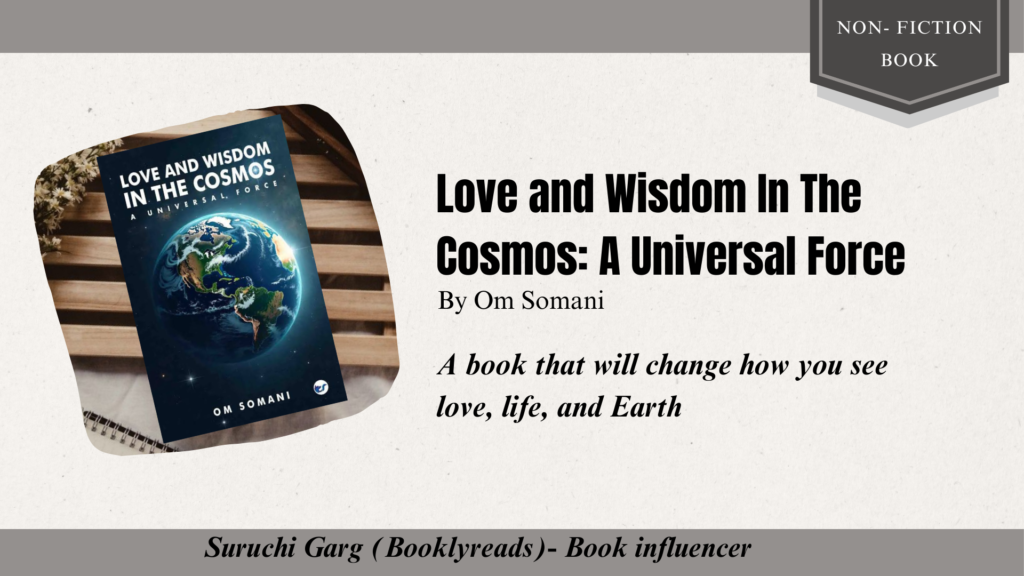
Life Without ‘IF’: Overcome your Fear and Self-Doubt
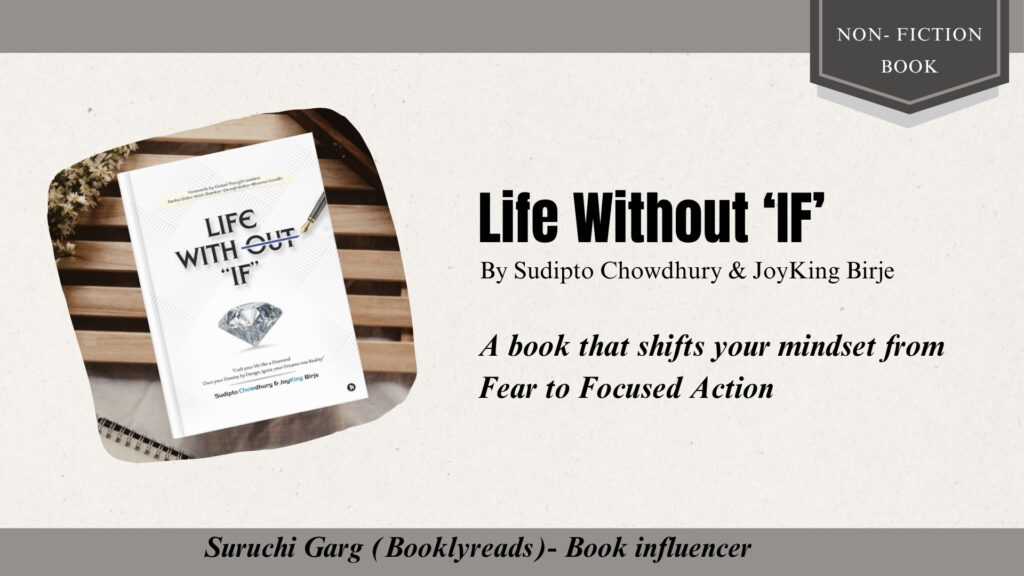
Life Without 'IF'- A Book that will Shift your Mindset from Fear to Focused Action

Home Featured Books Author Interviews Non Fiction Books Book Recommendations About Services Contact Jki-instagram-1-light Jki-facebook-light Linkedin Youtube   Life Without ‘IF’: Shift your Mindset from Indecision and Fear to Identifying Potential and Focused Action What if I fail? What if I’m not good enough? What if I make the wrong decision? For many of us, these quiet thoughts show up before every risk, every choice, and every opportunity and slowly keep us stuck. This is exactly where Life Without “IF” steps in. For many people, “what if” thinking becomes a daily habit before applying for a new opportunity, starting something meaningful, or even making simple life decisions. It feels like being careful, but over time it creates fear, hesitation, and mental fatigue. Instead of moving forward, the mind stays busy imagining outcomes that may never happen. The book doesn’t ask you to silence fear or force confidence. Instead it helps you understand how overthinking shapes your mindset and how you can gently shift from fear- driven thinking to focused, intentional action. What follows is a closer look at how this book reframes hesitation, builds clarity, and helps you move forward without being controlled by “what if” Life Without “IF”: Understanding the Mindset That Keeps Us Stuck At its core, Life Without “IF” focuses on how mindset shapes action. The book explains that most people don’t lack ideas, skills, or ambition; they lack clarity because their thinking is constantly interrupted by fear- based questions. The word “if” becomes the gateway to overthinking. It invites the mind to imagine every possible negative outcome before a single step is taken. Over time, this habit creates hesitation, self-doubt, and emotional exhaustion. The book helps readers recognise this pattern and understand how often fear disguises itself as logic. Why Overthinking feels safe, but isn’t One of the most relatable insights in the book is how overthinking often feels like protection. People believe that by analysing every possible outcome, they are avoiding mistakes. In reality, this behaviour increases anxiety and reduces confidence. Life Without “IF” highlights that clarity rarely comes from thinking more. It comes from engaging with real experiences. The longer action is delayed, the stronger fear becomes. By addressing this illusion of safety, the book encourages readers to challenge their mental habits and take small, intentional steps forward.   Redefining “IF”: From Indecision and Fear to Identifying Potential and Focused Action. A key strength of the book is how it redefines IF. Instead of allowing it to represent doubt and hesitation, the authors frame it as: Identifying Potential Focused Action   This shift helps readers stop asking “What if i fail?” and start asking “What is within my control right now?” By narrowing attention to the present moment and manageable actions, the mental noise created by overthinking begins to fade. The Diamond Model: A Map for Mindset Change One of the book’s most valuable contributions is Life Without IF Diamond, a visual framework for understanding how fear, overthinking, and decision-making interact. The Diamond highlights four key areas: Fear Zone- Where “what if” thinking dominates, creating hesitation and anxiety. Analysis Zone- Where overthinking masquerades as planning, often keeping action stalled. Action Zone- Where intentional steps begin, and confidence is built through doing. Growth Zone- Where clarity, learning and results reinforce positive habits.   The Diamond helps readers visualise where they are stuck, making it easier to move from fear to focused action.   Behavioural continuums: Understanding your patterns The book also introduces Behavioural Continuums, which are nine key patterns showing how people react to challenges. These continuums range from paralysis by overthinking to decisive, focused action, and help readers identify: Which patterns dominate their thinking Which behaviours lead to hesitation or fear How to shift gradually toward growth-focused actions.   By mapping these behaviours, readers gain practical insight into why they procrastinate, overanalyse, or hesitate and what small changes can create big momentum in decision-making.   How the Book Encourages Real Progress Unlike many mindset books that rely heavily on motivation, Life Without “If” focuses on execution. Through reflection exercises, the Diamond model, and Behavioural continuums, readers are encouraged to: Examine their fears Identify unhelpful mental patterns Move forward with clarity   The book consistently reinforces one important idea: “Confidence is built by doing, not endless thinking.” This makes the book especially useful for readers who feel mentally stuck or overwhelmed.   Reading Experiences and Writing Style The writing style is calm, clear, and conversational. Complex psychological ideas are broken down into simple concepts that are easy to apply in everyday life. The chapters are thoughtfully paced, allowing readers to absorb and reflect without feeling rushed. This makes Life Without “IF” suitable for both beginners and intermediate readers in the self-help and personal growth space.   Who Must Read This Book This book is particularly helpful for: Individuals struggling with overthinking and indecision Readers facing fear of failure or self-doubt People seeking clarity in career, personal growth, or life direction Anyone wanting to improve mindset without unrealistic positivity The Diamond and Behavioural Continuums add depth, making it valuable even for readers familiar with other self-help titles.   Key Takeaway from the Book The central message of Life Without “IF” is clear: progress begins fear stops being the decision-maker. By using tools like the Diamond and Behavioural Continuums, readers can see exactly where their hesitation comes from and take actionable steps toward growth. Confidence emerges naturally as a result of focused action, not waiting for fear to vanish.   Final Verdict: Is Life Without “IF” worth reading? Life Without “IF” is a practical and insightful guide for anyone looking to shift their mindset from fear to focused action. It doesn’t promise instant transformation but provides frameworks that make real progress achievable. Sometimes growth doesn’t come from adding more knowledge, it comes from removing one small word that holds us back. Closing Reflection: You don’t need to wait for fear to disappear. You just need to stop letting “what if” decide your next move. Frequently Asked

4 Books That Will Change The Way You Think
books that will change the way you think

Discover 4 life changing books that will transform your thinking, mindset, and daily life. IIf you want clarity, growth, and better decision making skills, start with these books.

5 Lessons from Psycho-Cybernetics- Your success starts from your mind.
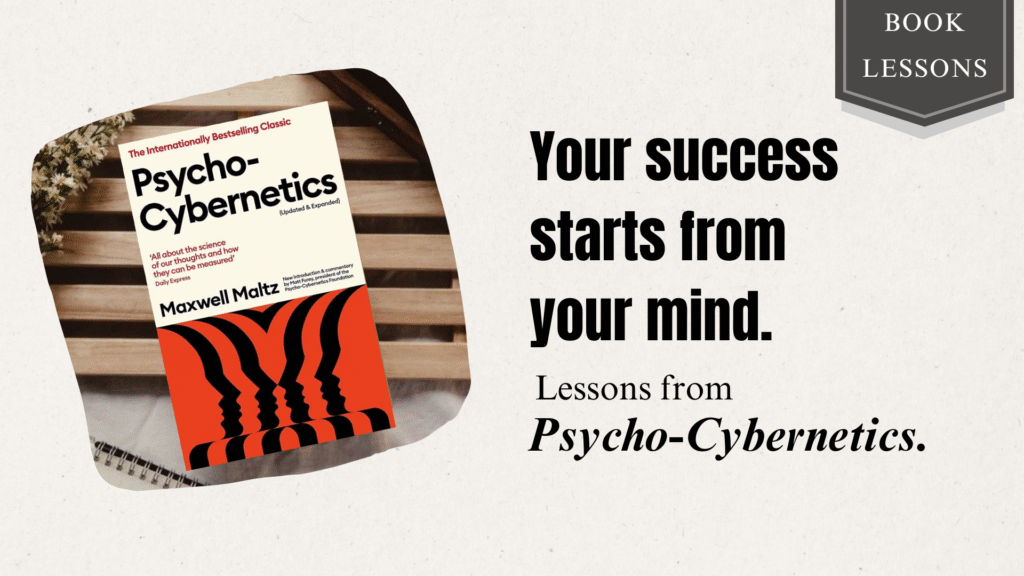
Home Featured Books Author Interviews Non Fiction Books Book Recommendations About Services Contact Jki-instagram-1-light Jki-facebook-light Linkedin Youtube 5 Lessons from Psycho-Cybernetics- Your success starts from your mind. Is Your Mind Helping You Succeed- Or Holding You Back? Be honest, Have you ever felt like no matter how hard you try success seems just out of reach? Maybe you set goals, push yourself, but deep down, there’s this nagging feeling that you’re not “that kind of person.” Let me tell you what’s the problem here,it’s not external but – Your success starts in your subconscious mind shaped by beliefs you hold about yourself. . Your mind is running on autopilot, programmed by your past experiences, beliefs, and your self-image.  Now let’s talk about how you can reprogram your mind for success by reshaping the way you see yourselves with the help of this ground-breaking book Psycho-cybernetics by Dr. Maxwell Maltz. Let’s dive into some of the powerful lessons from this book that actually helped me a lot to shift from self-doubt to success mindset.  1. Your self-image is controlling your life. (Even if you don’t realize it) Think about this: if you see yourself as a “shy person”, how will you act in social situations? Awkward, reserved, avoiding eye-contact right?   Now imagine seeing yourself as a confident and charismatic person. You speak up naturally, smile and engage without second guessing yourself.  The big lesson: Your self-image is the base, or foundation upon which your entire personality, your behaviors, feelings, even your circumstances are built. If you don’t upgrade it you’ll revert back to the same old patterns. Here’s How to change it: Remind yourself of your small victories– In order to direct your inner control system towards success instead of failure, all you need is one experience that made you feel good about yourself. So next time you feel like a failure- remind yourself of your small successes you had in past.  2. Your Subconscious mind believes whatever you tell it. If you keep telling yourself, “I always fail”, your brain will find ways to prove you right. Know that your subconscious mind doesn’t know the difference between a real experience and an imagined one. The big lesson: Your brain is like a super powerful GPS-it follows whatever directions you give it. You act and feel, not according to what things are really like, but according to the image your mind holds of what they are like.    You have certain mental images of yourself, your world, and the people around you and you behave as though these images were the truth, the reality, rather than the things they represent. So, to create a life that you truly desire you need to start feeding your mind with positive and success driven thoughts.   Here’s How to reprogram it: Use mental rehearsal: Close your eyes and spend 5 minutes daily to visualize your ideal self- achieving your goals. Feel it, hear it and see it.  See yourself acting, feeling, “being,” as you want to be. Repeat success affirmations: Say yourself positive things like “I am confident and courageous.” Relax and meditate: A calm mind is easier to reprogram. Try deep breathing or meditation to access your subconscious. Allow positive energy to enter as you exhale the negative.   3. You can acquire the habit of happiness. It is believed that happiness is related to human mind and its physical machine. We think better, perform better, feel better, and are healthier when we are happy. Happiness isn’t something that just “happens” when your life goes well. It’s a habit- one that you can build just like any other. The big lesson: Most people think that they’ll be happy once they achieve success. But here’s the truth: it’s the opposite, happiness is a habit, and it flows with how you train your mind and achieve success. The same way you develop a habit of brushing your teeth, you can develop a habit of seeing good in life, feeling gratitude and experiencing joy daily. Here’s How to build a habit of happiness: Practice “happy moments” daily– Everyday take a moment to recall your happy memories. Relive past experience and be write three things you are grateful for. This rewires your brain to focus on what’s going well and attract more happiness. Smile more (purposefully) – studies shows that smiling (even when you don’t feel like it) send a positive signals to your brain and trick it into feeling happy. Stop chasing happiness– if you keep saying “I’ll be happy when I get that job, lose weight, or make more money” you’ll be chasing happiness. Choose to be happy today. 4. Failure is just a feedback- not your identity. Have you ever failed at something and thought, ”maybe I’m just not good enough” you’re not alone. Most people take failure personally, believing it defines them. But here’s the truth- failure is simply feedback- it’s your mind’s way of saying, ‘adjust your approach’. The big lesson: Your brain is a goal – seeking mechanism. It learns through trial and error. The only real failure is giving up. Always remember your mistakes don’t define you. They refine you. Every mistake gets you one step closer to success. Here’s How to turn failures into success: Reframe failures as lessons– instead of saying, “I failed”, say, “what can I learn from this?” Try again with adjustments– if one approach doesn’t work, tweak it and try again. Growth happens in the process.. 5. Emotional scars can hold you back- you need to heal them. There might be times when you were told that you’re not good enough, even sometimes your appearance made you feel unworthy or rejected. Then the feeling of love easily transforms into frustrations, resentment or rudeness towards others.    This is nothing but you building emotional wall to protect yourselves which drives your loved ones away from you leaving you feel more lonely and unworthy. This is what we say emotional scars which are shaping your behavior into someone you are not. The